Introduction
I didn’t set out to think this hard about pet carrier use.
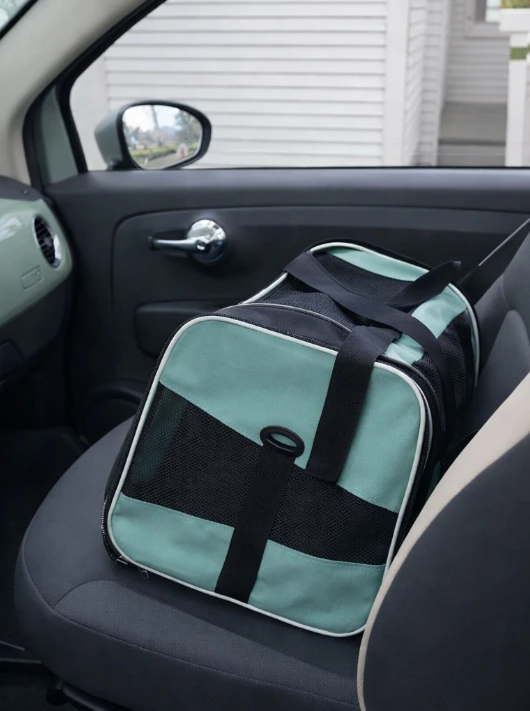
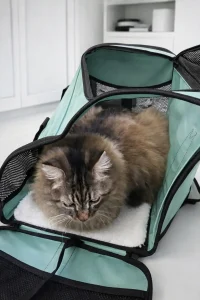
At first, it was just something I noticed while going about normal routines—vet visits, short car rides, quick errands. I was using a portable soft-sided pet carrier, and nothing was obviously wrong. My cat wasn’t crying. She wasn’t scratching. She just… stopped moving much once she was inside.
At the time, I didn’t read too much into it.
When I bought the carrier, I genuinely thought I was getting a “do-everything” option.
It was lightweight.
It folded neatly.
Reviews called it travel friendly.
So I assumed it would handle everything—from quick vet appointments to longer trips—without much thought.
That assumption didn’t last very long.
After spending more time actually using soft-sided pet carriers, and later going through hundreds of real user reviews, a clear pattern started to emerge. These carriers tend to perform well in short, predictable situations. But once travel time stretches, subtle problems begin to surface.
Not all at once.
Not dramatically.
But consistently enough to change how often—and how confidently—they get used.
The Data Already Hints at the Problem
Looking at competitor review data, usage scenarios aren’t evenly distributed at all:
- Vet visits: 11.1%
- Long-distance travel: 4.0%
At first glance, that seems odd. Why so few long trips?
Then it clicked.
It’s not that people don’t try using soft pet travel bags for long journeys.
It’s that many stop doing it after a bad experience.
How Soft-Sided Pet Carriers Perform in Real Scenarios
Vet Visits (Within 30 Minutes): Works as Expected
For short trips to the vet, a portable soft-sided pet carrier does exactly what it’s supposed to do.
- The time inside the carrier is limited
- Ventilation is enough
- The structure doesn’t have time to flex or fatigue
In this scenario, soft carriers feel convenient and low-stress — for both pets and owners.
Short Car Trips (30–60 Minutes): Usable, but Not Comfortable
Once trips approach an hour, things start to feel less stable.
- Airflow becomes borderline, especially in warmer conditions
- The bottom panel begins to flex slightly when lifting
- Without a seatbelt attachment, the carrier shifts during braking
It still works, but you’re clearly pushing the design closer to its limits.
Long Trips (Over 1 Hour): Where Problems Show Up
For longer travel, most portable soft-sided pet carriers simply aren’t ideal.
Extended confinement exposes every weakness:
- Limited ventilation causes heat buildup
- The bottom starts to sag under constant weight
- Pets become restless, then visibly stressed
At this point, the carrier isn’t just uncomfortable — it’s working against your pet’s well-being.
Air Travel: Strongly Not Recommended
Despite marketing language suggesting “travel-ready” design, most soft-sided pet carriers lack the structural reliability needed for flights.
Cabin noise, pressure changes, and handling amplify issues like:
- Structural flex
- Zipper strain
- Ventilation limitations
Soft carriers weren’t built for that environment, and expecting them to perform there is risky.
What Competing Soft Carriers Consistently Get Wrong
After comparing multiple soft pet travel bags, the same weaknesses kept appearing:
- Ventilation systems designed for brief use, not prolonged airflow
- No seatbelt fixation, allowing movement during car travel
- Structural sagging that worsens over time
- Stress accumulation from confined, unstable space
These aren’t manufacturing defects. They’re design compromises.
Where a Better Design Actually Helps
A well-designed soft-sided pet carrier doesn’t pretend to be universal.
Instead, it acknowledges different scenarios:
- Lightweight and flexible for short trips
- Reinforced structure for longer drives
- Adjustable ventilation rather than fixed mesh
- Seatbelt-compatible anchors and anti-slip base panels
- Bottom support that resists sagging over time
That difference becomes obvious the moment travel time increases.
Final Takeaway
Soft-sided pet carriers are excellent tools — when used in the right context.
For vet visits and short drives, they’re convenient and practical.
For long-distance travel, most standard designs introduce real risk.
If you need a carrier that handles multiple scenarios, structural reinforcement and airflow control matter far more than marketing claims.
Leave a Reply
You must be logged in to post a comment.